What are Cerebral Venous Disorders?
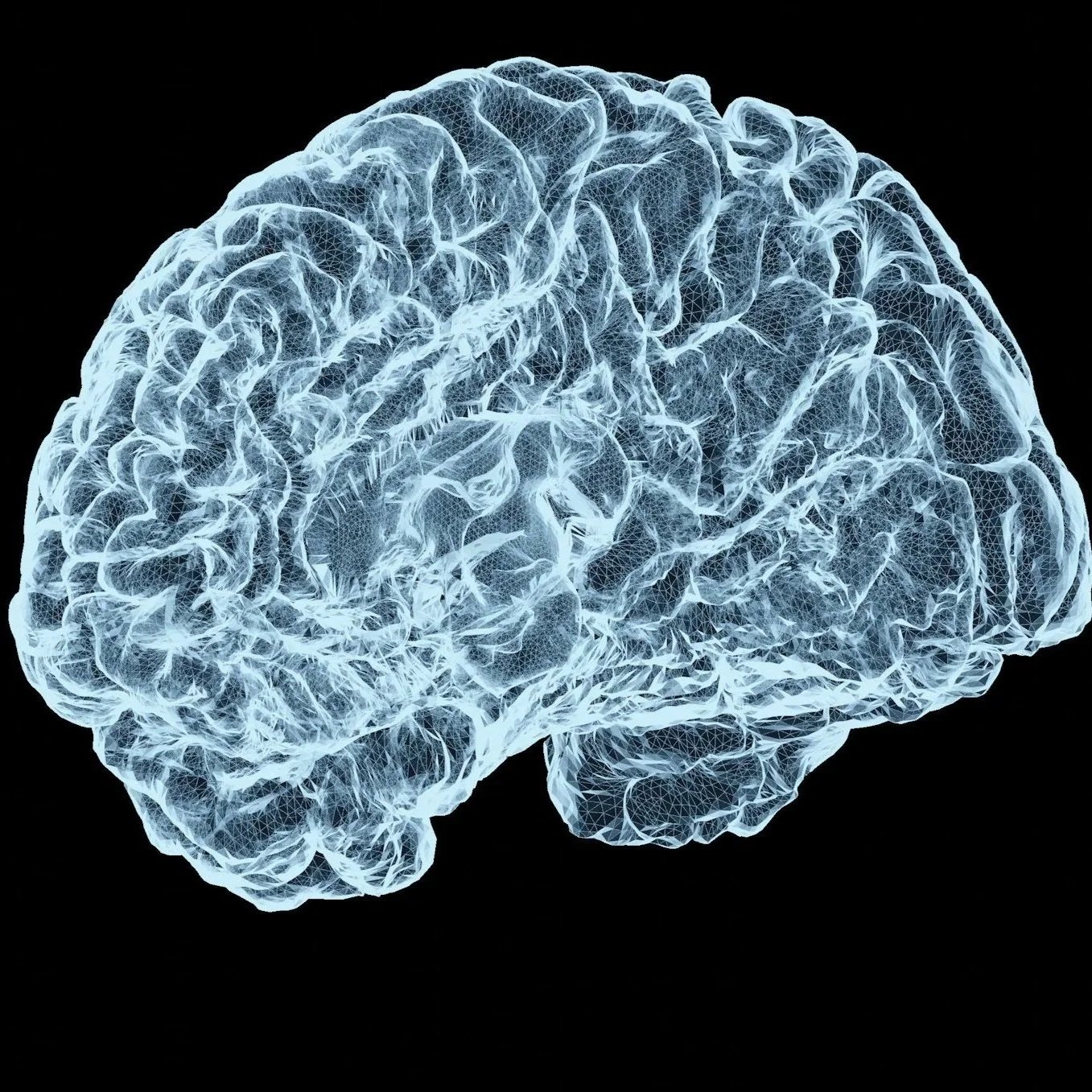
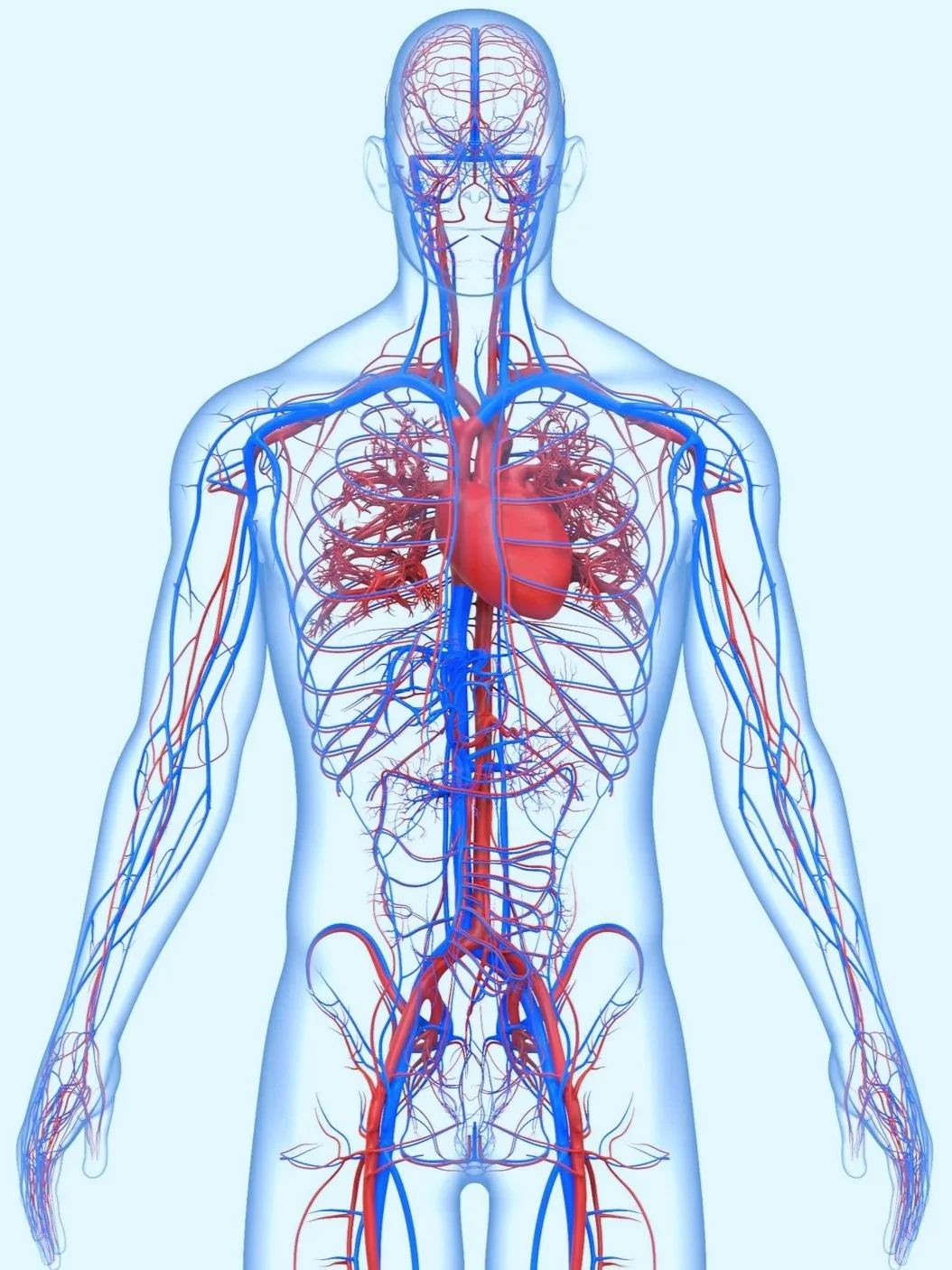
In the simplest terms, they are problems with the outflow of blood from your brain, as the blood travels in your veins from your head, through your neck, back to your heart.
Why is Cerebral Venous Outflow Important?
The outflowing blood has many important functions.
Notably, this blood removes waste created by brain function (super important for a working brain!).
Blocked outflow also causes a backup where, because the exiting blood cannot get out, the pressure inside the patient’s head can build up & new blood can have trouble getting in.
What Causes the Blood Flow Backup?
Medical Research is still figuring this out.
That said, there are several known structural causes in the neck — where the veins have narrowed because of external compression (e.g., from the styloid process bone and/or a part of the C1 vertebrae, a muscle, enlarged lymph nodes, or even a nearby artery). And sometimes the veins inside a patient’s head are too narrow (called venous stenosis) and this causes problems with the blood outflow too.
What are the Symptoms?
Symptoms can be varied and transient (i.e, come & go) and positional because we live life with dynamic movement — and so the symptoms can change based on the specific location of the problem, the degree it slows or stops the blood outflow, and how that impacts brain function & intracranial pressure (among other things).
——-
Symptoms Can Include:
Dizziness
Feeling Faint and/or Fainting (i.e., Pre-Syncope or Syncope)
Vision Trouble
Tinnitus (whooshing or ringing sound in ears)
Feelings of head & eye pressure
Pain at the base of the skull
Headaches & Migraines
Cognitive Problems
Brain Fog
Poor Memory
Difficulty with Word Recall
Difficulty Concentrating
Cognitive Collapse
Nausea
CSF Leaks
Motor System symptoms
Catatonia
Seizures
Locked in, or
Involuntary shaking
Head “heavyness”
Fluid build up or fluid stagnation
Overall/full body blood heavyness or circulation stagnation
Involuntary Jaw clenching or tongue placement/tightness
Cerebral Venous Disorders & Related Conditions
Cerebral Venous disorders are multi-systemic because the impaired blood flow from the brain causes symptoms throughout the body. (Yes, brain function is important!) This means that there are many, many conditions related to cerebral venous problems that medical professionals may consider as part of the necessary diagnostic process.
Below we have attempted to list these related conditions along with some helpful links for each that might aid understanding. If you know of other conditions that we should consider including here, please contact us at info@cerebralvenousfoundation.com
-
Intracranial pressure disorders are closely associated with CVDs because impaired blood flow out of the head can affect intracranial pressure. (Note: Hypertension means high pressure and Hypotension means low pressure.) Specifically, the related intracranial pressure disorders include:
Idiopathic Intracranial Hypertension (IIH);
Pseudotumor Cerebri (PTC);
Venopathic Intracranial Hypertension (VHI);
Spontaneous Intracranial Hypertension (SIH); and
Intracranial Hypotension.
-
Internal Jugular Vein (IJV) Compression (sometimes called IJV Stenosis or Eagles Syndrome, Vascular Type) is a type of Cerebral Venous disorder. The Internal Jugular Vein (IJV) is a main pathway for blood outflow from the skull base. When it is compressed—for example, by a portion of the C1 vertebrae or the styloid process bone (among other things)—the compression narrows the vein and reduces the amount of blood that can travel through the compressed area.
-
CSF is a type of neuro-fluid that is produced in the brain and surrounds the brain and spinal cord. Inside the skull, intracranial pressure can be affected by both blood flow/volume and CSF production/volume. As a result, conditions that affect the CSF in the brain are closely related to Cerebral Venous disorders. Specifically, some of those conditions are:
CSF Leaks (both Cranial and Spinal types);
CSF Fistulas; and
Hydrocephalus (high volumes of CSF in the ventricles of the brain)
-
Spiky Leaky Syndrome is a term used to describe the multi-systemic problems that result in patients experiencing spikes in intracranial pressure that lead to CSF leaks or fistulas, which reduce CSF (because the CSF leaks out), and then the reduction in CSF lowers intracranial pressure.
Cerebral Venous disorders are part of the “Spiky Leaky” dynamic for the same reasons they are closely related to intracranial pressure and CSF disorders.
-
Migraines and persistent headaches are frequently reported as symptoms of Cerebral Venous disorders. For more information, please review the published research materials and educational videos (link above).
Dr. Ferdinand Hui recently spoke on these issues and the link to that video is available here: https://youtu.be/kconUUMkihg?si=urcDTKHTBeY2PC2L
-
Pulsatile Tinnitus is the audible sound of blood flow (e.g., whooshing or ringing) heard in a patient’s ears and it is frequently reported as a symptom of Cerebral Venous disorders. For more information, please review the published research and educational videos (links above).
-
Papilledema is a condition that develops when the optic nerve is under too much pressure. Papilledema is often, but not always, present in patients with Cerebral Venous disorders (and in patients with intracranial pressure problems).
-
Pelvic Venous Congestion is a term used to describe compression of the veins in the pelvis that impairs the flow of deoxygenated blood in the lower portion of the body (below the heart) as it returns to the heart.
Pelvic Venous Compression is related to Cerebral Venous disorders as another category of compression to the venous system. In March 2026, the following publication addressed the relationship in more detail: https://pubmed.ncbi.nlm.nih.gov/41898333/
Specifically, Pelvic Venous Compression includes the following conditions (among others):
Nutcracker Syndrome (Compression of the Renal Vein);
May Thurners Syndrome (Compression of the Illiac Vein); and
MALS (Median Arcute Ligament Syndrome; a compression on the celiac artery and the network of surrounding nerves, called the celiac plexus).
-
Connective Tissue disorders are a spectrum of conditions that involve problems with collagen production in the body. These include (among others):
Ehlers Danlos Syndrome;
Hypermobile Spectrum disorders; and
Marfans Syndrome.
Cerebral Venous disorders are related to Connective Tissue disorders. See the following link to a publication discussing the connection in more detail: https://www.frontiersin.org/journals/neurology/articles/10.3389/fneur.2023.1305972/full
For more information, please review the educational videos and published research (links above) discussing the connection.
-
Dysautonomia is a disorder of the autonomic nervous system (the system that controls the body’s automatic functions like heart rate, blood flow, and breathing, among others). Some of the common dysautonomia diagnosis include (among others):
POTS (Postural Orthostatic Tachycardia Syndrome);
Orthostatic Hypotension (OH) and the similar condition of Neurogenic Orthostatic Hypotension (nOH).
These conditions are closely related to Cerebral Venous disorders. In March 2026, the following publication addressed the relationship in more detail: https://pubmed.ncbi.nlm.nih.gov/41898333/
For more information, please review the educational videos and published research (links above).
-
MCAS is an immune disease involving overactive mast cell chemical mediators that cause multisystemic inflammatory and allergic manifestations. MCAS is associated with various neurologic disorders and should be considered as part of the differential diagnosis for patients with Cerebral Venous disorders.
For more information, please review the educational videos and publications (links above). Also, Standing Up to POTS recently published a discussion with a Cardiologist, Dr. Alexis Cutchins, on the connection, available at: